Introduction
The Russia-Ukraine War, which has been ongoing for over three years, has deeply worn down the military, economic, and societal capacities of both sides. In protracted wars of this nature, superior firepower or a vast resource pool is not the sole decisive factor. The truly determining element is how long the belligerents can sustain their political will, military capacity, economic resilience, and societal durability. In this context, understanding the conflict between Russia and Ukraine is not possible by evaluating it only through advances and losses on the front line. In this article, I will address the war between the two states through the multi-dimensional dynamics of a “war of attrition” strategy.
Tactical Gain, Strategic Erosion
The war of attrition is a strategy that aims to systematically deplete an enemy’s military strength, resources, and morale. This approach seeks to physically and psychologically collapse the enemy through prolonged struggle rather than achieving swift and decisive victories. The fundamental logic is to ensure the enemy’s capacity to endure is eroded while preserving one’s own capacity. It requires continuing the war until the adversary reaches the “point of surrender.” Despite its technological superiority, the stronger side may inefficiently exhaust its resources against the resistance of the weaker side. Furthermore, the degradation of morale among the civilian population and soldiers can weaken the sustainability of the war.
The Chaotic Nature of War
The chaotic nature of war can lead attrition to unpredictable outcomes. The current situation in which Russia finds itself in the Ukraine War can be given as an example of this. Russia’s large-scale military operation against Ukraine, which began in 2022, seemed to be predicated on a “quick victory” rationale aimed at short-term strategic gains. However, the situation that has unfolded over more than three years has dragged Russia into a war of attrition where it will become increasingly challenged. For Russia, the tactical gains achieved during the war have been unable to compensate for the strategic erosion caused by its losses.
Blood on the Front, Solitude in the World
Approximately one million Russian soldiers have been either killed or wounded in Ukraine, while Ukraine has suffered around 400,000 casualties (killed and wounded). When considering that Russia’s military losses during the 2014 occupation of Crimea were estimated to be around 6–7 thousand, the sheer scale of the loss in the Russia-Ukraine War becomes clearer. In addition to these losses, Russia has begun to lose more military equipment despite its diminishing pace of advance. While Ukraine receives military aid from Europe and the US, Russia is attempting to increase arms production through a war economy and receives limited external assistance.
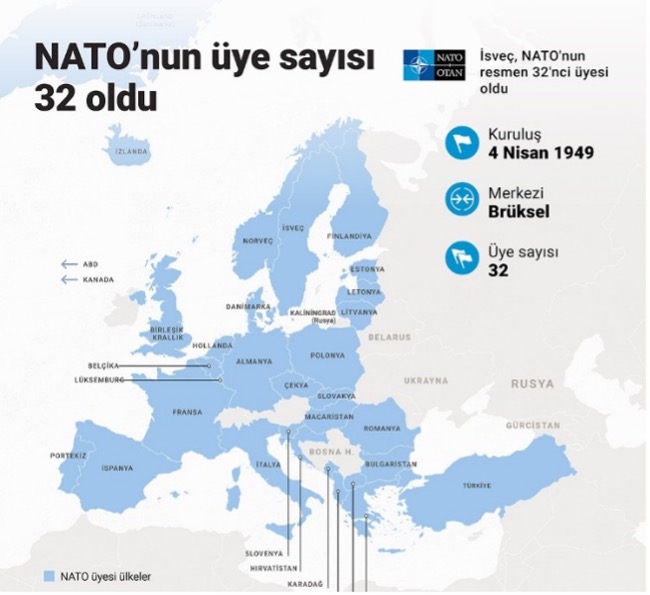
Alongside this battlefield situation, there are also severe economic sanctions against Russia. The imposition of these direct sanctions, combined with what are called secondary sanctions—which will be applied to those cooperating with Russia—will further increase the existing problems for the Kremlin. Furthermore, Russia’s gradual shift of its entire focus to Ukraine since 2022 has also eliminated Russian influence in other geographies. It is possible to say that Russian influence has been nearly eradicated in many areas, ranging from the possible overthrow of the Assad regime in Syria to the increasing Western influence in Turkestan, from the rise of US influence in the Caucasus (the Zangezur Corridor example) to the transformation of the Baltic-North line into a cohesive defense zone with the entry of Finland and Sweden into NATO.
Moscow’s Four Paths
There are four paths for Russia to achieve victory in Ukraine. The first path is to attrit and compel Ukraine to surrender. However, this requires the cessation of US and European support for Ukraine. Western nations believe that the longer this war—in which Russia is being worn down without any loss of their own soldiers—continues, the more beneficial it will be.
The second path for Russia is to sit down for peace talks by offering concessions. However, this would result in a defeat that would conclude with a charismatic leader like Putin having sent hundreds of thousands of Russian soldiers to their deaths without achieving victory.
The third path would be for Russia to try to rapidly wear down Ukraine using much heavier weaponry. Russia, which has changed its nuclear doctrine, states that it may use nuclear weapons given the situation it has fallen into. Furthermore, it could use the Oreshnik missile—which it employed in Ukraine and presented as a nuclear alternative—and similar heavy-destruction-capable weapons. Yet, this option could also lead to a situation where the Western camp sends even more aid to Ukraine.
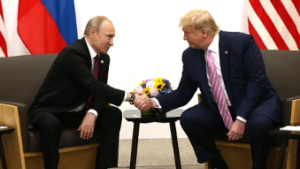
The fourth and final path for Russia is to agree to initiate ceasefire negotiations under US leadership. Among these foreseen paths, the process that will result in minimum damage for Russia in the subsequent period will likely be achieved through a ceasefire.
Conclusion
As the war drags on, Russia has begun to push the limits of its military and economic sustainability. The operational plan, which was initially assumed to be short, has become a burden that Russia’s defense industry and budget cannot sustain, as it has been prolonged. Now, the Kremlin is simultaneously trying to compensate for heavy losses on the front and mobilize the sanctioned economy to maintain the war effort. However, the alliance between Europe and the US supporting Ukraine has the capacity to neutralize all of Russia’s efforts. The course of this war, which Putin wishes to end in victory, will ultimately be determined by Trump’s stance.
This article was first published on the Turkiye Research Foundation’s Website on August 15, 2025.