In February 2025, a pivotal summit was held at the White House between U.S. President Donald Trump and Ukrainian President Volodymyr Zelenskyy. This meeting marked a critical juncture in the Russia-Ukraine Warand deserves close examination in terms of its diplomatic and strategic implications.
During the talks, President Trump’s“ remark—“you have no’ cards”—offered crucial insight into Ukraine’s diminishing strategic maneuverability and highlighted a growing rupture in U.S. support for Kyiv.
This expression, diplomatically cornering Zelenskyy, reflected Ukraine’s weakened military position and the shifting tone in Washington’s posture.
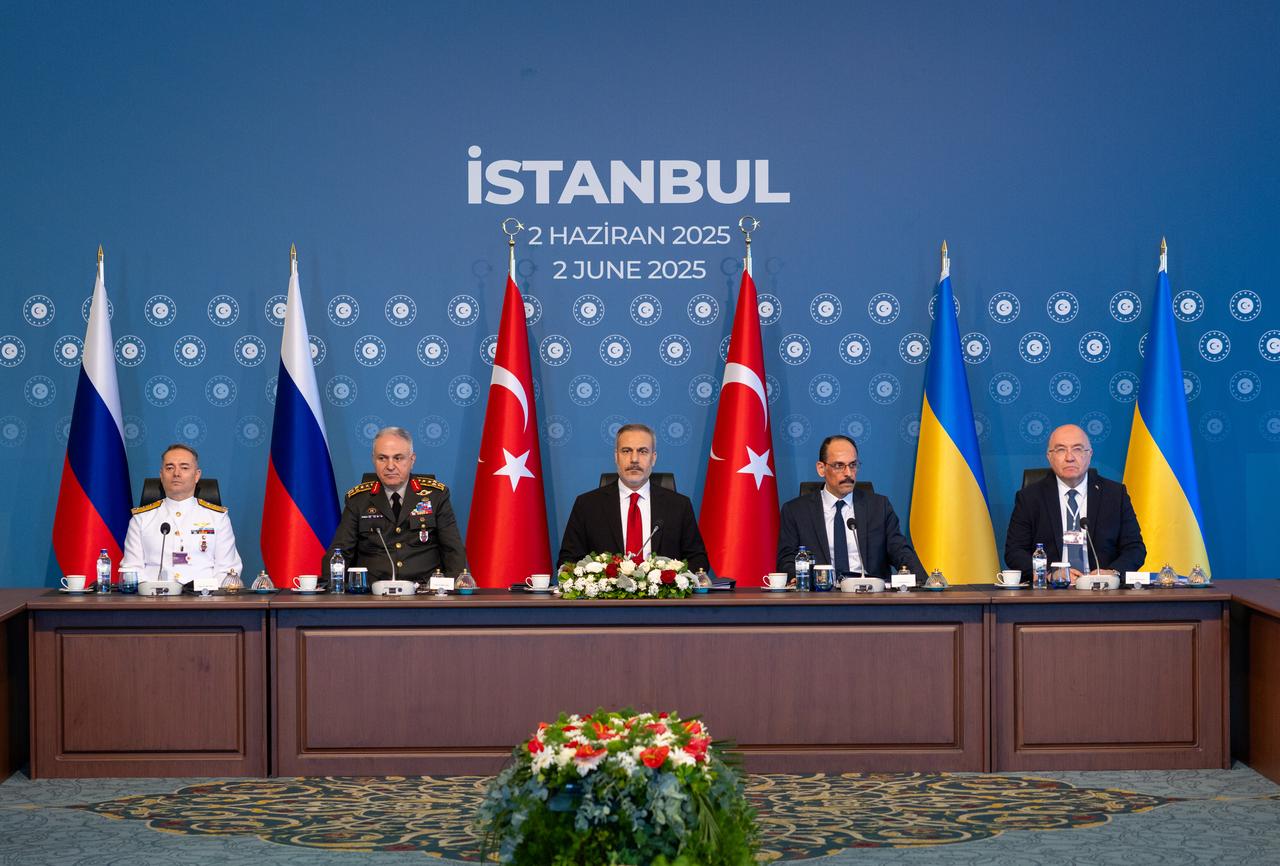
Nevertheless, contrary to Trump’s assertion, Ukraine still retains one highly valuable and geopolitically significant “card”: the peace negotiations reinitiated under Türkiye’s leadership. As a NATO member with institutional ties to the Western alliance and a uniquely structured diplomatic channel with Russia, Türkiye has remained the only actor capable of establishing trust between the warring parties since the onset of hostilities.
Türkiye’s previous mediation efforts—including the Istanbul talks and the prisoner exchange negotiations—have served as concrete demonstrations of this capacity. In this regard, Ukraine’s “last card” may in fact be its most strategic asset on the path toward peace.
Ukraine’s Remaining ‘Card’ with Russia
Efforts to achieve a diplomatic resolution to the Russia-Ukraine conflict are structured within a far more layered framework than is commonly perceived. Particularly in 2025, the re-engagement of the United States under President Trump marks the resurgence of a decisive actor in the second layer of negotiations.
These ongoing talks can thus be assessed across three main levels: direct regional negotiations between Russia and Ukraine, global-level strategic bargaining between the U.S. and Russia, and a third dimension defined by Türkiye’s balanced and solutions-oriented diplomacy.
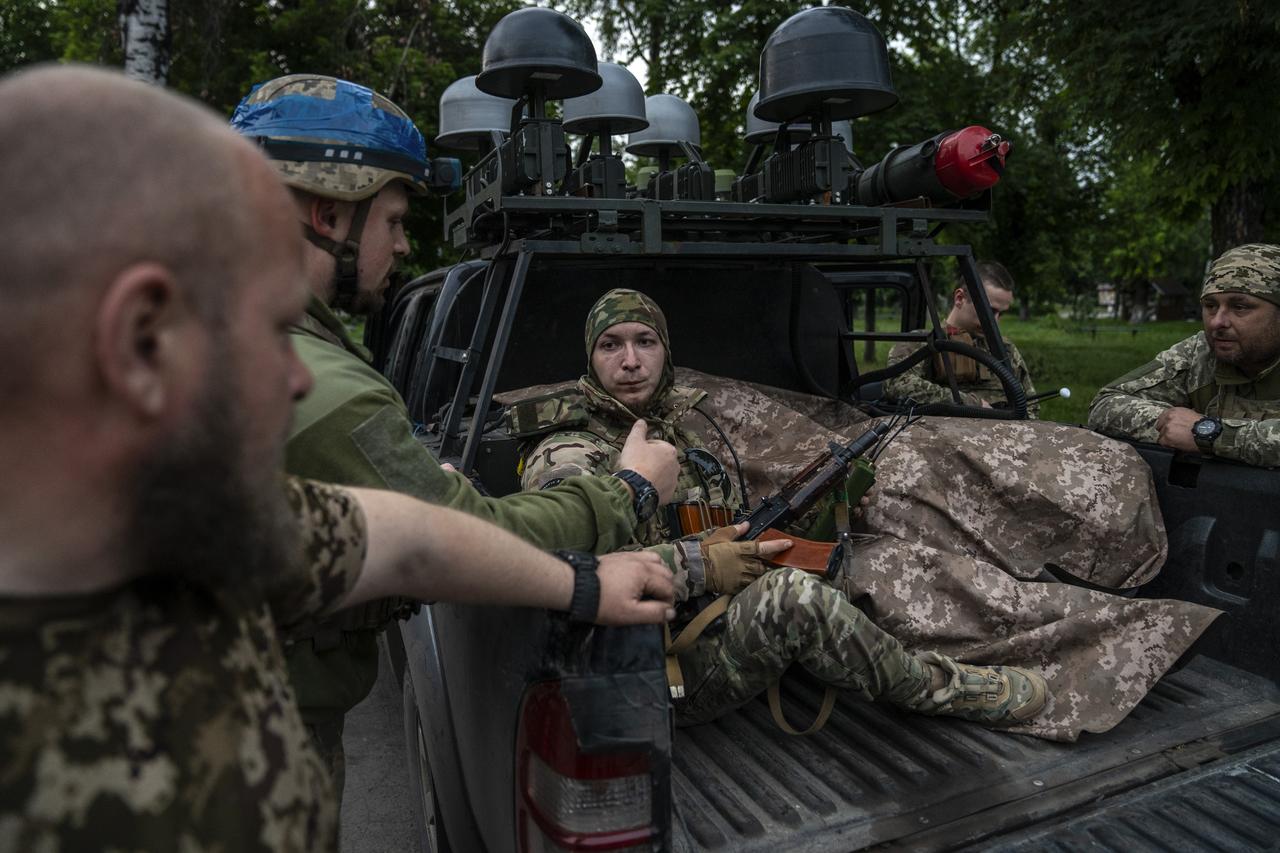
At the first level, Russia and Ukraine have conducted intermittent and limited dialogues, mostly focused on technical matters such as prisoner exchanges and the establishment of humanitarian corridors.
While pragmatic cooperation occasionally emerges, these contacts fall significantly short of facilitating a permanent cease-fire or constructing a lasting peace architecture. The primary obstacle lies in the non-negotiable red lines drawn by both parties.
Russia’s post-2022 annexation of Luhansk, Donetsk, Zaporizhzhia, and Kherson—now regarded by Moscow as sovereign Russian territory—makes any retreat politically untenable for the Kremlin. Crimea remains another unresolved issue at the negotiation table.
Furthermore, President Putin’s portrayal of Odesa as a historically “Russian city” suggests a potentially broader territorial ambition. Under such circumstances, it is unrealistic to expect structural peace from these fragmented technical-level discussions.
Regional Aspects of a Global-Sized Relationship
The second and arguably most influential layer consists of negotiations between Russia and the United States. Here, not only Ukraine’s territorial integrity but also the broader security architecture of Europe becomes the subject of geopolitical bargaining.
Unlike his predecessor, Joe Biden, President Trump has adopted a diplomatic posture that refrains from directly confronting Russia and, at times, signals potential cooperation.
This approach significantly alters the dynamics of this negotiation layer. Within this framework, Ukraine’s territorial integrity becomes a latent bargaining chip, effectively rendering Ukraine a subject of negotiations rather than an autonomous actor.
In other words, the expectation in this layer is that Ukraine will be the one to offer concessions — a geopolitical reality that may be imposed on Kyiv.
Trump’s aspiration to be remembered as a “peacemaker” hinges on resolving the Russia-Ukraine conflict through a negotiation process that includes the United States.
His suggestion that the Vatican, led by an American pope, could host the peace talks is emblematic of this ambition.
However, the divergence between the U.S.’s willingness to push Ukraine into concessions and Russia’s unwillingness to compromise renders a sustainable agreement elusive.
This article was first published in Türkiye Today on June 4, 2025.